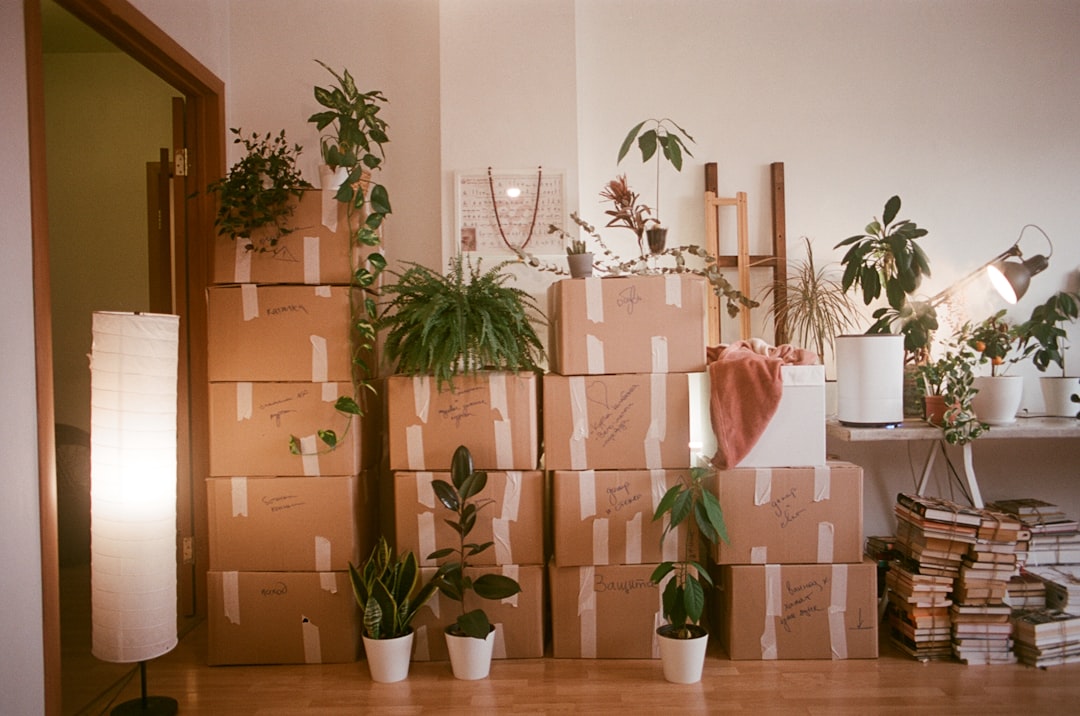
Climate-controlled storage can help protect furniture, electronics, documents, clothing, and other sensitive belongings from damaging temperature swings and moisture. This guide shows how to decide whether the upgrade is worthwhile, estimate the total cost using your own numbers, and compare standard and climate-controlled units without relying on a headline monthly rate.
Overview
When searching for climate controlled storage near me, the key question is not simply whether one unit costs more than another. It is whether the items, storage duration, local conditions, access needs, and potential replacement costs justify paying for a more controlled environment.
A standard unit may be suitable for durable, non-sensitive belongings that are properly packed and stored for a limited period. Temperature-controlled storage is generally worth closer consideration when items can warp, crack, rust, yellow, mildew, or lose value after prolonged exposure to heat, cold, or humidity. However, “climate controlled” does not mean every facility maintains the same conditions. Ask the provider what temperature and humidity controls are used, which areas of the building are protected, and whether the unit is interior or directly exposed to outdoor air.
Use the following comparison as a starting point rather than a guarantee. Facility design, local weather, building maintenance, insurance terms, and rental policies vary by provider.
| Factor | Standard unit | Climate-controlled unit |
|---|---|---|
| Temperature | May follow broader outdoor or building temperature changes | Designed to reduce temperature extremes and swings |
| Humidity risk | Moisture exposure may be higher, depending on construction and location | May provide better humidity management, but confirm the provider’s actual controls |
| Typical use | Tools, outdoor equipment, plastic goods, and other durable items | Furniture, electronics, paper records, clothing, wood, photographs, and sensitive inventory |
| Price | Often the lower quoted option, subject to location and unit size | Usually carries an additional premium that must be compared with the value at risk |
| Access | May offer drive-up access or simpler loading | May require access through an interior building or designated entrance |
| Insurance and rules | Provider restrictions and coverage requirements still apply | Climate control does not replace insurance or protection against excluded events |
How to estimate
Start with the full cost of each suitable option, not just the advertised unit rate. A simple comparison is:
Total storage cost = monthly rent × number of months + one-time fees + recurring fees + expected access or transport costs.
To compare the climate-control upgrade specifically, calculate:
Climate-control premium = climate-controlled monthly rent − standard monthly rent.
Then multiply that premium by the planned rental period. Compare the result with the value of the items that could be damaged, the cost of replacing them, and the inconvenience of restoration or disposal. This is not an exact forecast of damage. It is a decision tool that makes the trade-off visible.
For a more complete self-storage unit size estimate, list each item, measure bulky furniture, and allow room for safe pathways. A smaller climate-controlled unit can sometimes be more practical than a larger standard unit if careful packing reduces the required footprint, but do not compress belongings so tightly that air circulation and inspection become difficult.
Check the price beyond the monthly rate
Request an itemized quote covering the unit, administration or setup charges, lock requirements, deposits, insurance or protection-plan requirements, access fees, late fees, and any promotional rate expiration. Ask whether the quoted price is month to month and how future rate changes are communicated. A lower introductory rate is not a reliable long-term comparison unless you know the terms that follow it.
Inputs and assumptions
Use the same inputs for every provider in your storage pricing comparison. Record the following before contacting facilities:
- Items: Identify wood furniture, upholstered pieces, metal goods, electronics, paper, photographs, clothing, musical instruments, artwork, and other moisture- or temperature-sensitive materials.
- Value: Estimate realistic replacement or restoration cost, not only sentimental value. Note items that cannot be easily replaced.
- Duration: Enter the likely number of months and add a contingency if the move, renovation, or business project has an uncertain end date.
- Location: Consider whether the facility is in a humid, very hot, very cold, or frequently changing environment. Local conditions affect the value of environmental control.
- Unit size: Include a loading path and access space. Use a size calculator or provider layout, then confirm dimensions in person when possible.
- Access pattern: Record how often you will visit, whether you need 24 hour storage access, and whether a drive-up unit would save repeated lifting or transport costs.
- Protection terms: Ask what the rental agreement, insurance, or protection plan excludes. Do not assume climate control covers leaks, pests, theft, flooding, or poor packing.
- Preparation: Clean and dry items, avoid sealing damp materials, elevate boxes from the floor, and use suitable covers. Climate control cannot correct moisture introduced during packing.
Item-specific guidance matters. Solid wood, veneer, leather, upholstered furniture, paper records, photographs, electronics, and clothing generally deserve more careful environmental planning than empty plastic bins or weather-resistant outdoor equipment. For business records, compare the unit with specialist document storage services, particularly when retention, retrieval, or compliance requirements are important.
Worked examples
Example 1: Furniture during a home renovation
Suppose a renter has wooden furniture, a fabric sofa, mattresses, and several boxes of clothing. The planned rental is six months. The standard unit is quoted at a hypothetical $X per month, while the comparable climate-controlled unit is $Y per month. The monthly premium is Y − X, and the six-month premium is 6 × (Y − X).
The renter should compare that premium with the replacement or restoration cost of the furniture and textiles, while also checking whether the climate-controlled unit is large enough to leave space around bulky items. If the furniture is valuable, difficult to replace, or likely to remain stored through a humid or highly variable season, the additional cost may be reasonable. If the items are inexpensive, robust, and packed for a short period in a suitable building, a standard unit may be adequate.
Example 2: Electronics and business inventory
A small business stores monitors, networking equipment, boxed products, and paper documentation for four months. The business calculates the climate-control premium, then adds transport and access costs. It also checks whether the provider permits commercial inventory, accepts deliveries, and offers the access schedule required by staff. If the unit is being used for ongoing warehouse space or inventory storage, a warehouse or managed storage arrangement may be more suitable than a personal self-storage unit, even when the unit’s monthly price appears attractive.
In both examples, the decision depends on more than climate control. Security, loading conditions, contract flexibility, insurance, unit size, and travel distance can change the total value of the option.
When to recalculate
Revisit your comparison whenever an input changes. Recalculate if the storage period extends, your inventory grows, a provider changes the monthly rate, a promotional rate ends, access needs increase, or you move to a different climate or facility. Seasonal demand can also affect availability and quoted rates, so repeat the search if your move date shifts substantially.
Before booking a temperature controlled storage unit, use this short checklist:
- Make a current item and value list.
- Measure the belongings and estimate the needed unit size.
- Get comparable, itemized quotes for standard and climate-controlled units.
- Ask specifically about temperature control, humidity management, access, insurance, and rate changes.
- Calculate the total cost for the full expected term, including fees and transport.
- Inspect the building and read the rental agreement before storing sensitive items.
For a broader provider review, use a storage provider comparison checklist covering price, access, security, and reviews. Repeating the calculation when your belongings, timeline, or local options change helps ensure you are paying for protection you actually need—not simply choosing the most expensive unit.