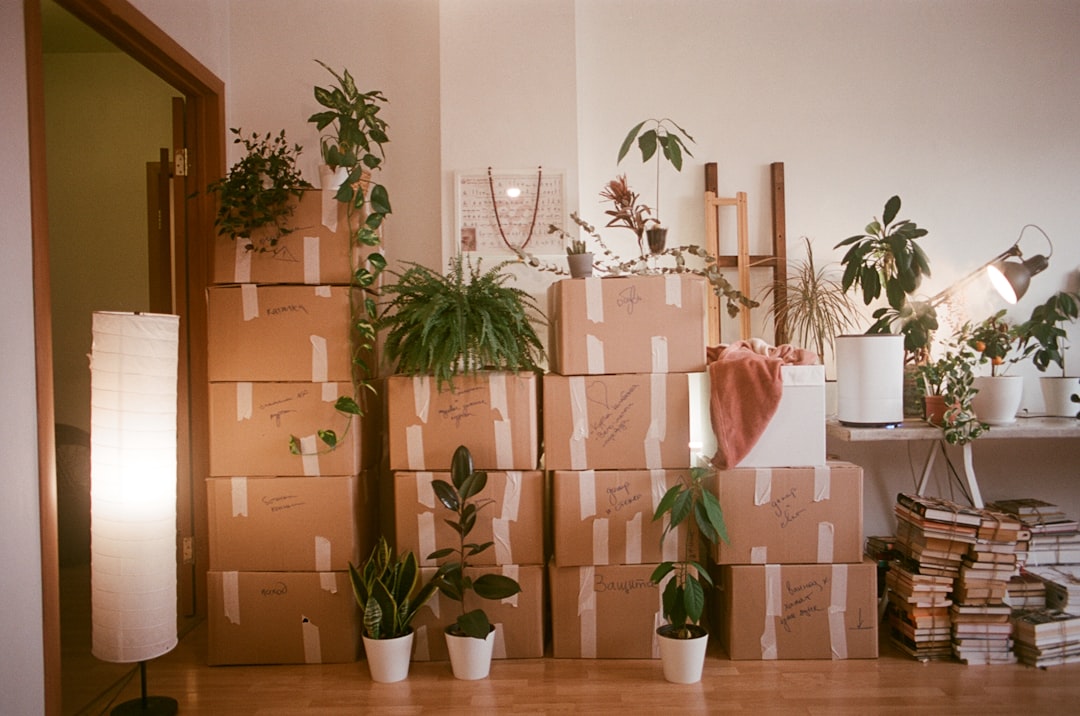
Choosing a storage unit based on the advertised monthly rate alone can lead to surprises. This self-storage facility checklist helps you compare security, access, condition, fees, contract terms, insurance, and convenience in a consistent way before signing. Use it when searching for secure self storage near you, touring facilities, reviewing a renewal, or comparing a new quote after a price change.
Overview
The right facility is the one that fits both your belongings and the way you will use the space. A low headline price may not be the best value if the unit is difficult to reach, requires separate insurance, has limited loading access, or adds recurring fees that were not obvious during your initial search.
Start by comparing facilities on the same basis. Record the quoted unit size, monthly rent, promotional terms, access hours, required coverage, deposits, administrative charges, and any expected move-in or move-out costs. Then inspect the actual unit and shared areas rather than relying only on photographs or a directory listing.
For a quick comparison, score each facility from 1 to 5 in these categories:
- Cost clarity: Are recurring and one-time charges explained in writing?
- Security: Does the facility use controlled entry, lighting, cameras, locks, or other measures that match your needs?
- Access: Are the hours and route to the unit practical for your schedule?
- Condition: Is the unit clean, dry, intact, and free of visible pest or moisture concerns?
- Convenience: Are loading areas, lifts, carts, parking, and elevators suitable for your move?
- Contract fit: Do the notice, renewal, cancellation, and payment terms work for you?
If you are storing sensitive furniture, electronics, paper, or other items affected by temperature and humidity, compare climate-controlled options separately. Our guide to when climate-controlled storage is worth the cost can help frame that decision. For vehicles or recreational vehicles, use different criteria such as clearance, surface type, maneuvering space, and covered versus outdoor protection; see the RV and vehicle storage comparison guide.
How to estimate
Estimate the effective cost for the period you expect to rent, not just the first advertised month. A simple comparison formula is:
Estimated total cost = recurring rent + required protection or insurance + recurring fees + one-time charges − confirmed discounts or credits
Use the same rental period for every facility. If you expect to store items for six months, calculate each option over six months. Separate promotional pricing from the standard rate and write down when the promotion ends. If the provider has not confirmed a future rate, do not present an estimate as a guaranteed price. Instead, calculate a low and high scenario using the rates or terms the provider has actually supplied.
Also estimate the practical cost of access. This does not need to be a precise financial figure. Note expected fuel, travel time, tolls, delivery charges, or the need to hire help if the facility is inconvenient. A facility farther away may still suit infrequently accessed items, while a nearby location may be more appropriate for business inventory, documents, or belongings needed during a move.
Before comparing quotes, determine the space you need. Measure large items, leave room for safe access, and avoid packing everything tightly against walls or the ceiling. The self-storage unit size calculator can help you create a more consistent starting estimate. Ask whether the quoted dimensions are the usable interior dimensions and whether doors, columns, stairs, or sloped ceilings affect capacity.
Inputs and assumptions
Take the following checklist to each facility tour or phone call. Request written answers when a term affects the total cost or your ability to retrieve items.
Price and fees
- Monthly rent and the standard rate after any introductory offer.
- Deposit, reservation, administration, setup, lock, or key charges.
- Late-payment charges and accepted payment methods.
- Fees for access, deliveries, vehicle parking, electricity, or other optional services.
- Whether rent can change during the agreement and how notice is provided.
Contract and insurance
- Minimum rental period, renewal method, and required notice to vacate.
- Cancellation rules before move-in and after the lease begins.
- Whether the facility requires tenant insurance or offers a protection plan.
- What exclusions, deductibles, documentation requirements, and coverage limits apply.
- What happens to unpaid belongings under the agreement and applicable local rules.
Insurance requirements vary by provider and location. Do not assume a homeowner or renter policy covers stored property without checking its terms. For a broader comparison of coverage questions, review storage unit insurance and coverage costs.
Security, access, and condition
- Entry hours, office hours, holiday restrictions, and any 24 hour access arrangement.
- Gate, building, elevator, or unit access procedures.
- Lighting, fencing, cameras, staff presence, and visitor controls.
- Condition of doors, locks, ceilings, floors, walls, and drainage.
- Signs of water intrusion, condensation, odors, insects, rodents, or damaged packaging.
- Availability of carts, lifts, loading bays, parking, and weather-protected unloading.
Ask how the facility handles reported leaks, pests, damaged locks, and access failures. You are evaluating the provider’s process as well as the physical site. Check recent customer reviews for repeated, specific patterns, but treat individual reviews as one input rather than a substitute for an inspection.
Worked examples
Suppose you are comparing two facilities for a planned six-month rental. Facility A quotes a monthly rent of $120, a one-time setup charge of $25, and required protection costing $12 per month. Facility B quotes $135 per month, no setup charge, and required protection costing $8 per month. Ignore taxes and other charges unless they apply to the actual quote.
Facility A estimate: (6 × $120) + (6 × $12) + $25 = $817.
Facility B estimate: (6 × $135) + (6 × $8) = $858.
On these assumptions, Facility A has the lower six-month total by $41. However, the decision should not end there. If Facility A has restricted access, no suitable loading area, or a unit condition that does not suit your belongings, the apparent saving may not justify the inconvenience or risk. If you expect to stay longer, recalculate using the standard rate after any promotion and include any known renewal charges.
For business inventory, add operational inputs such as delivery windows, pallet handling, receiving rules, shelving needs, and pickup frequency. A self-storage unit may not provide the same services as warehouse space. If your requirements go beyond basic storage, compare the options in our warehouse space rental and lease negotiation checklist.
When to recalculate
Revisit your comparison whenever a pricing or usage assumption changes. Recalculate before accepting a renewal, after receiving a rent-increase notice, when a promotional period ends, or when a provider adds or changes a required fee. Recheck the calculation if you move to a different unit size, add insurance, change access needs, or begin storing items that require climate control.
Use this practical process:
- List the facilities you are still considering and confirm the current written quote.
- Measure or review your belongings and remove items that no longer need storage.
- Update the rental period, monthly charges, protection costs, and one-time fees.
- Inspect the facility again if condition, access, or security has changed.
- Compare total cost alongside convenience, contract flexibility, and suitability for the items.
- Save the quote, lease, inspection notes, and photos so you can review the decision later.
Finally, do not sign until you understand how to end the agreement, what notice is required, and which charges continue through move-out. A careful inspection and repeatable cost comparison make it easier to choose a storage facility that works for the full rental period—not only the first month.